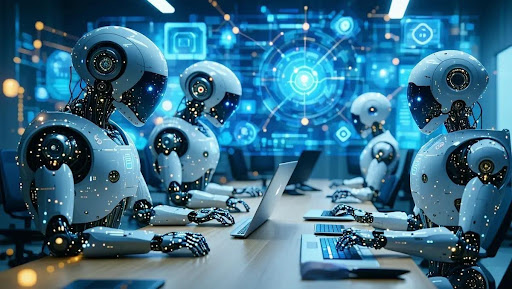
In a glass tower in San Francisco, a team of engineers once handled customer support for thousands of users. Today, much of that work is done by AI agents.
In Bengaluru, junior developers are watching AI write code in seconds – tasks that once took entire teams days.
In London, recruiters are quietly reducing entry-level hiring while asking a new question instead:
“Can this candidate work with AI?”
Across the world, a silent reset has begun.
The AI revolution is no longer theoretical. It is changing hiring, reshaping industries, and forcing millions to rethink one uncomfortable question:



❝ What does it actually take to survive in the AI era? ❞
And perhaps the more urgent question:
❝ What happens if we don’t adapt fast enough? ❞
The World Is Entering a New Employment Shock
The speed of change is startling.
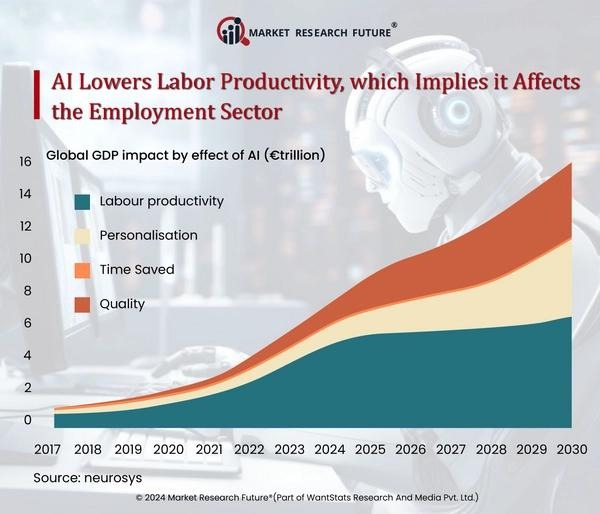
According to the World Economic Forum Future of Jobs Report 2025, employers expect massive transformation across industries as AI and automation accelerate. LinkedIn data suggests that by 2030, nearly 70% of the skills used in most jobs could change. (LinkedIn Economic Graph)
Meanwhile, executives across industries are already reducing dependence on repetitive human work:
- AI is writing code
- AI is generating reports
- AI is replacing administrative tasks
- AI is creating marketing campaigns
- AI is handling customer support
Anthropic CEO Dario Amodei recently warned that AI could eliminate millions of white-collar jobs globally and even write “100% of code” within years. (The Times of India)
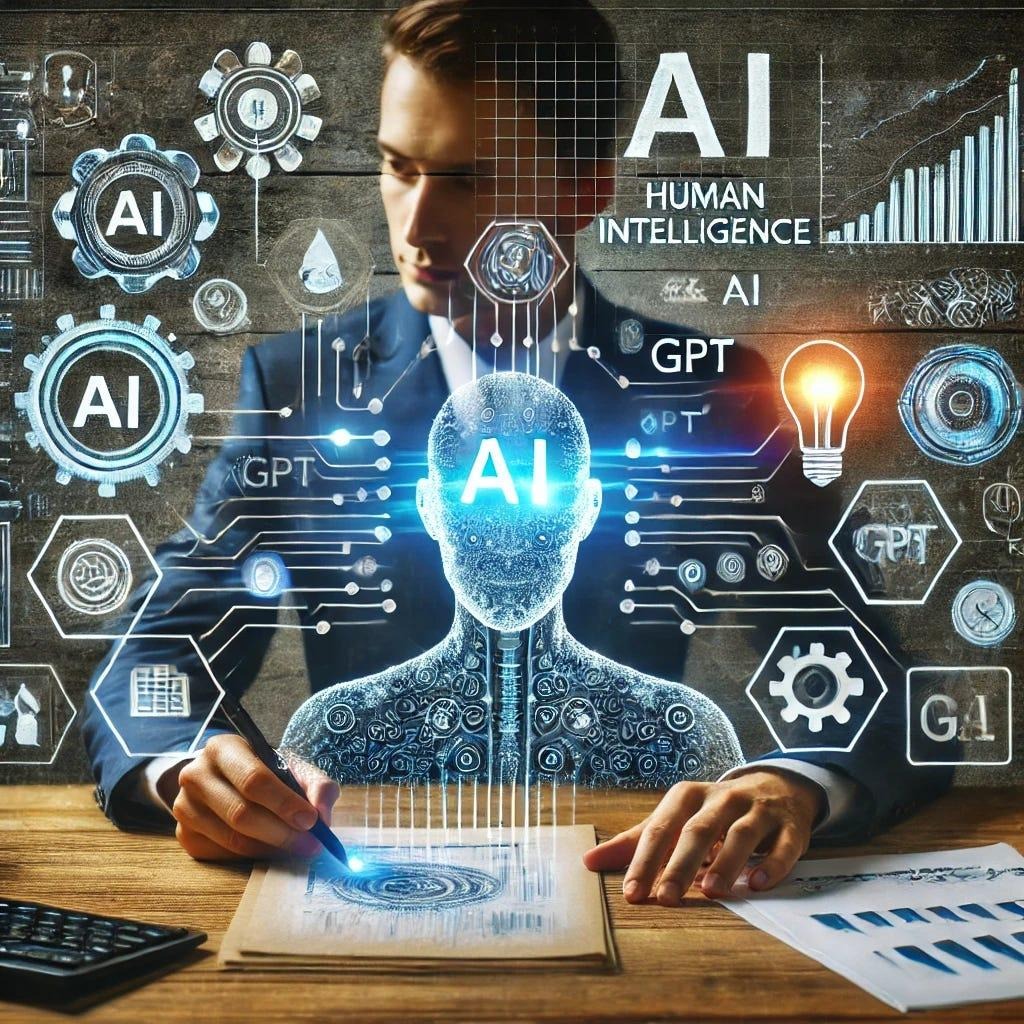
And yet, paradoxically, another crisis is emerging:
companies now face a shortage of people who actually understand how to work with AI. (TechRadar)
The Biggest Misunderstanding About AI
Most people think the future belongs to programmers.
It doesn’t.
The future belongs to:
- people who can direct AI
- verify AI
- integrate AI
- combine human judgment with machine capability
In other words:
Humans must stop competing against AI—and start learning how to manage it.
This changes everything.
The New Survival Skills of the AI Era
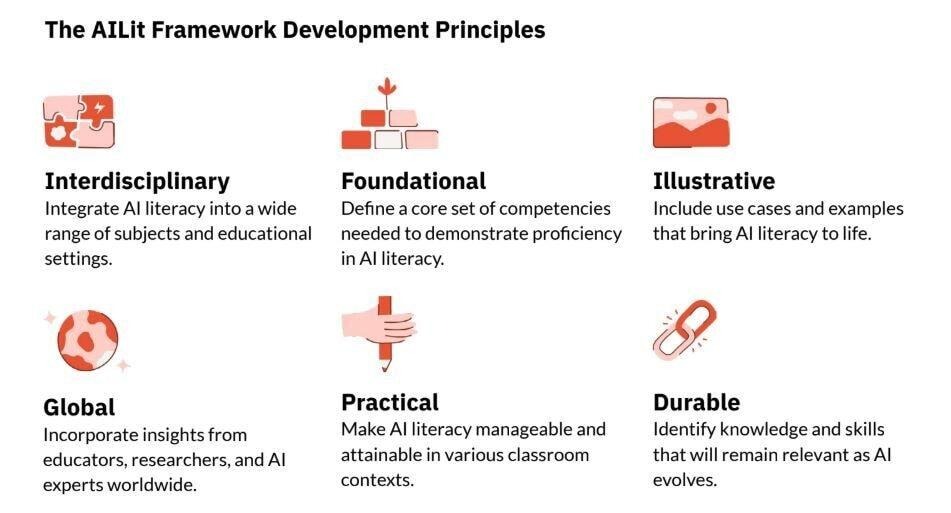
1. AI Literacy: The New Basic Education




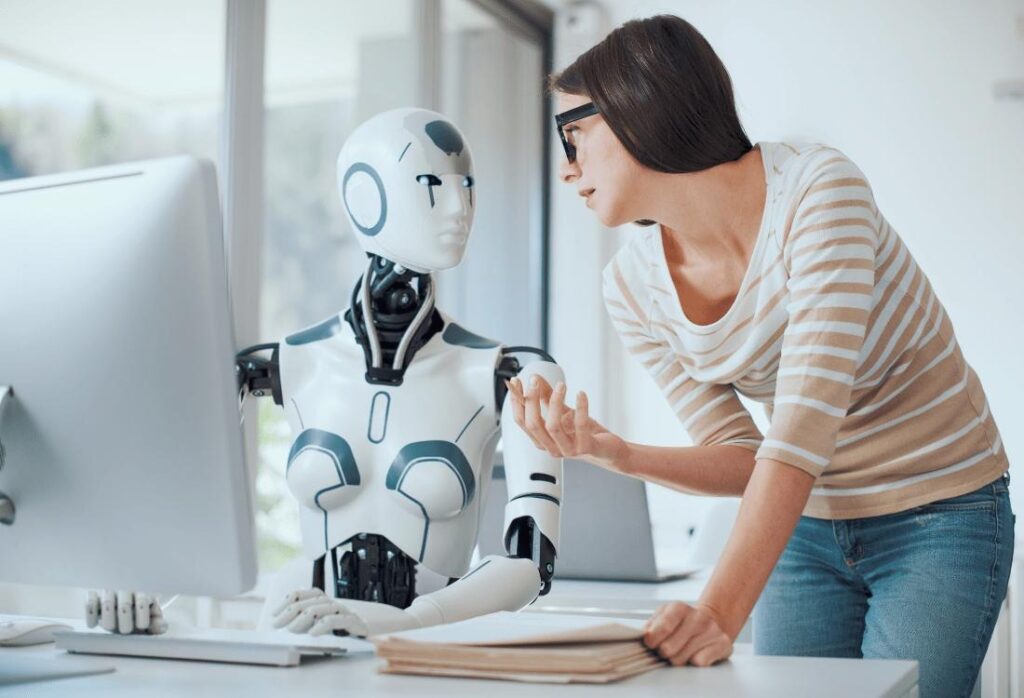
In the 1990s, computer literacy became mandatory.
Now, AI literacy is becoming equally essential.
Companies increasingly expect workers to understand:
- AI tools
- AI limitations
- AI workflows
- AI-assisted productivity
LinkedIn identified AI literacy among the fastest-growing workplace skills in 2025. (LinkedIn)
What to learn:
- ChatGPT
- Google Gemini & AI Tools
- Claude
- NotebookLM
- AI workflows
2. Prompt Engineering: The Language of the Future

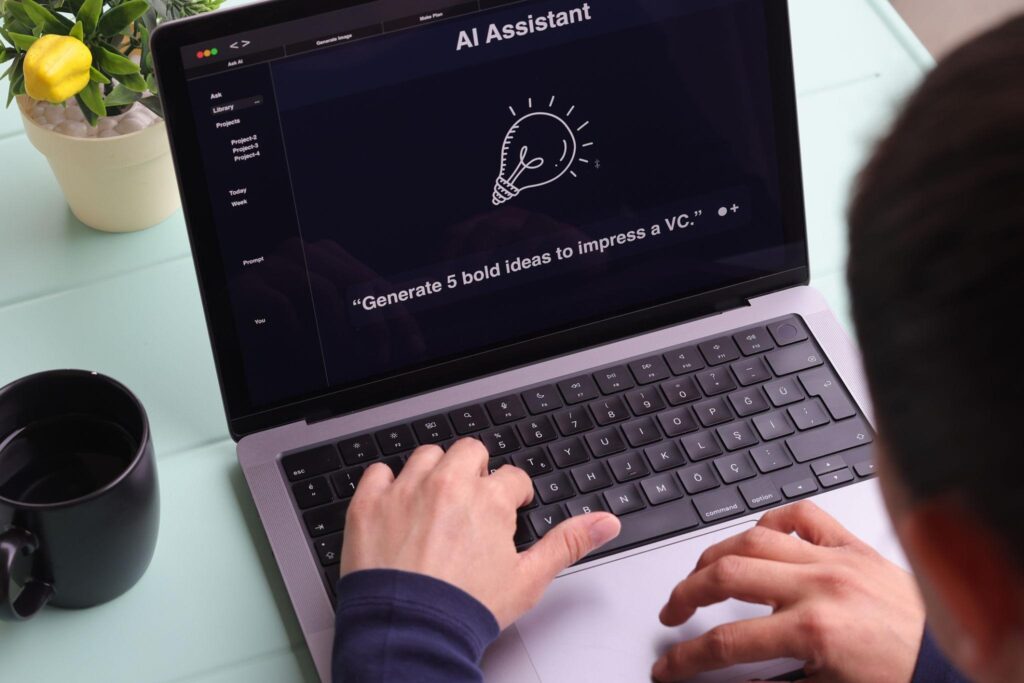
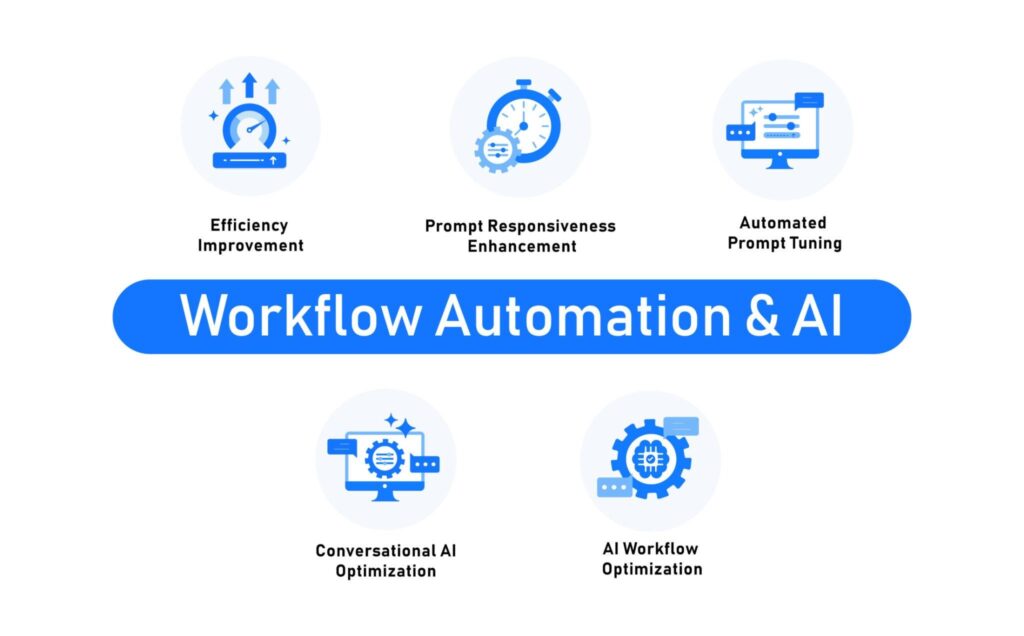
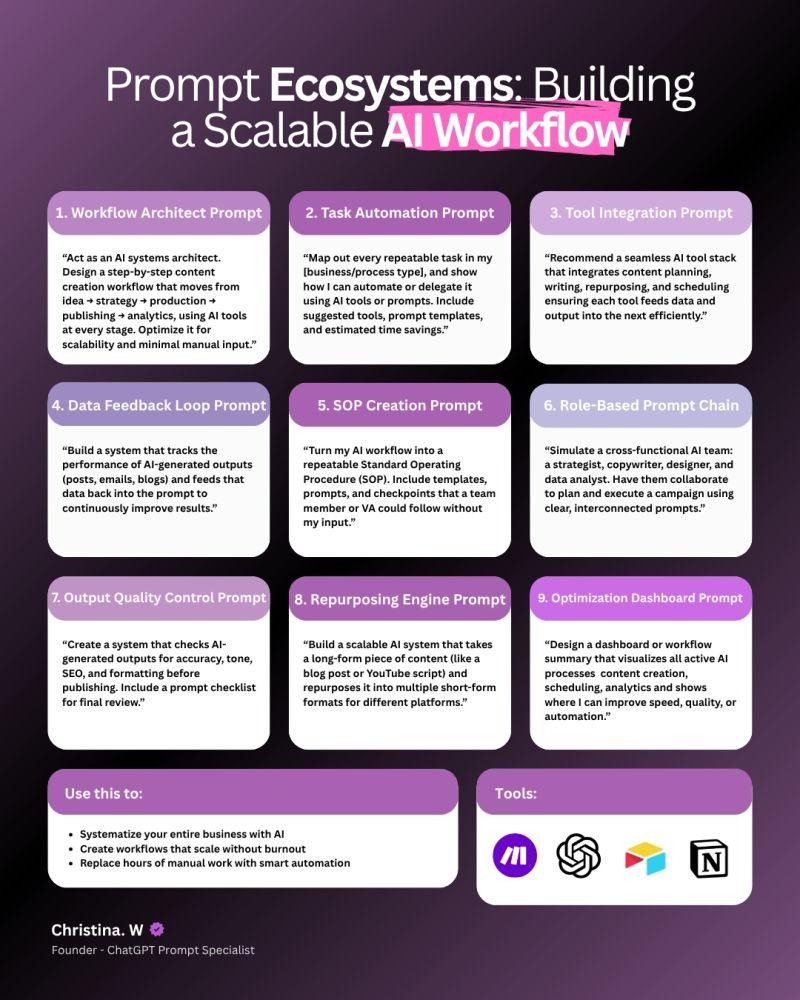

A growing number of companies now value employees who know how to “talk to AI.”
Prompt engineering is not just typing commands.
It is:
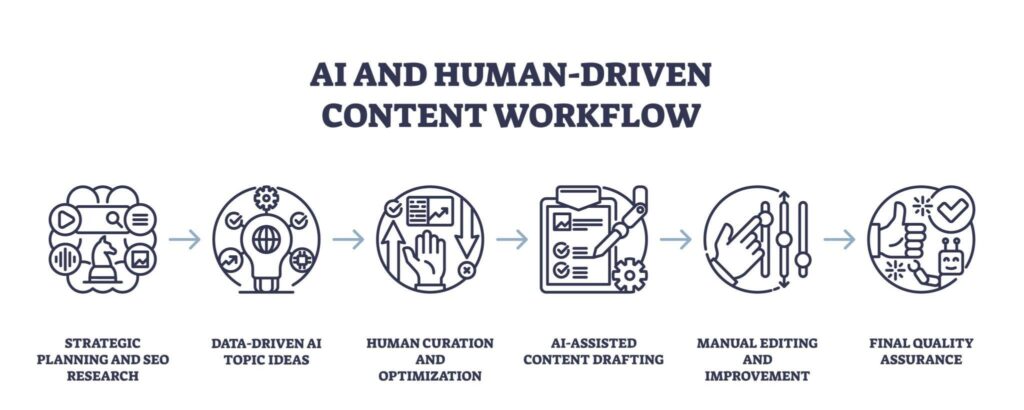
- structuring thinking
- guiding AI reasoning
- refining outputs
- managing workflows
The future office may reward people who can turn AI into a productivity multiplier.
3. Data Interpretation: Because AI Still Needs Human Judgment
AI can generate endless charts and reports.
But humans still need to answer:
- What matters?
- What is misleading?
- What should we do next?
That’s why data interpretation – not just data generation – is becoming valuable.
McKinsey estimates that generative AI could add trillions of dollars annually to the global economy through productivity gains. (McKinsey & Company)
But productivity without judgment can also create chaos.
Learn:
- Power BI
- Tableau
- Excel analytics
- Data storytelling
4. Creativity: The Skill AI Cannot Fully Replace
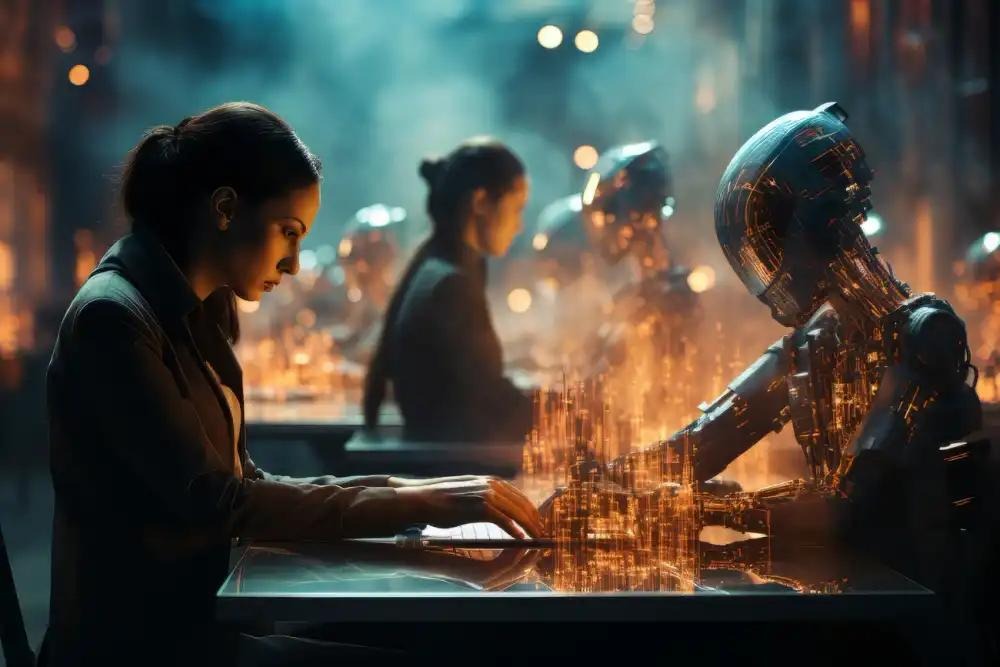
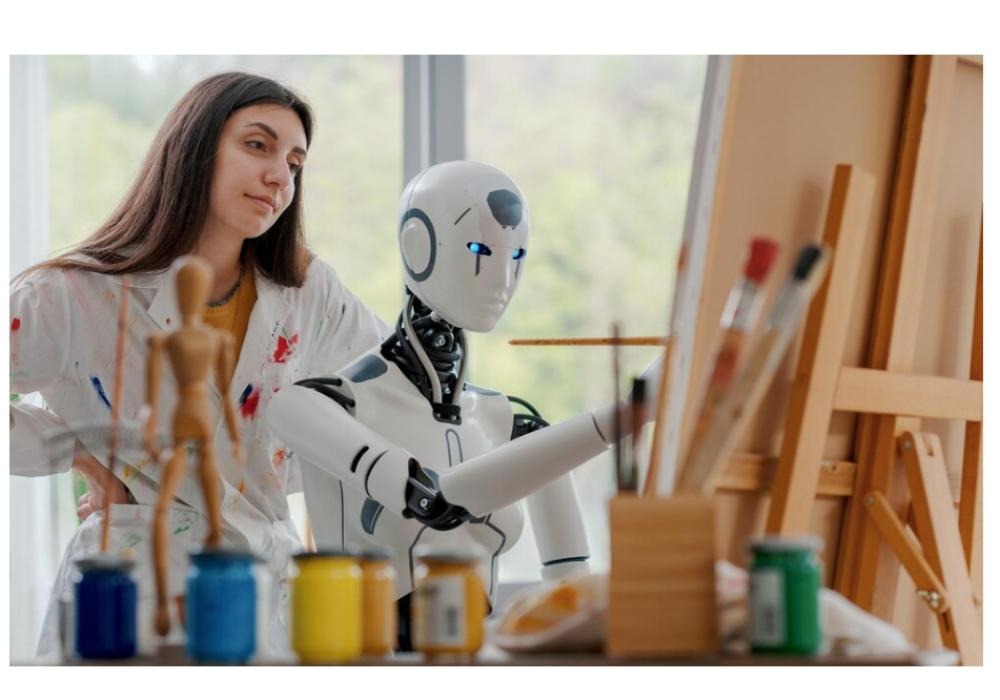


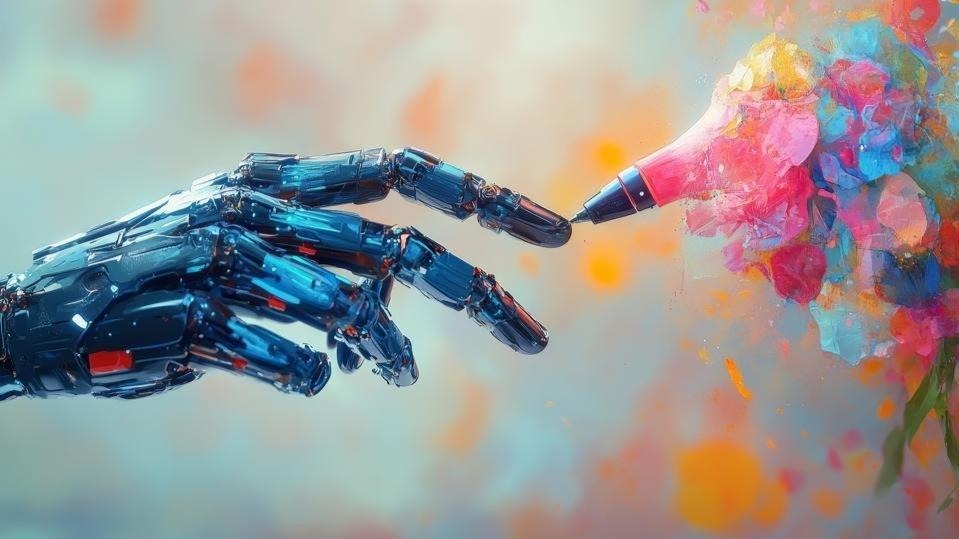
AI can imitate.
Humans can imagine.
As AI floods the internet with content, genuinely original thinking becomes more valuable.
This includes:
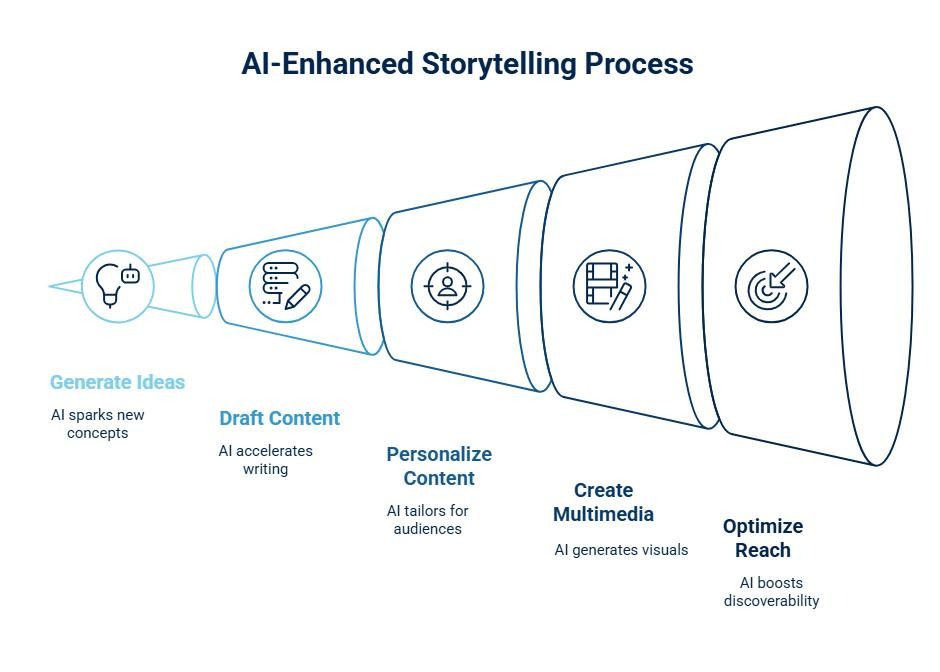
- storytelling
- branding
- emotional communication
- creative direction
Ironically, the AI era may make human creativity more premium – not less.
5. Emotional Intelligence: The Hidden Superpower
Machines can simulate empathy.
Humans create trust.
In the coming decade, emotional intelligence may become one of the most important economic assets:
- leadership
- negotiation
- persuasion
- relationship building
These are difficult to automate.
And as workplaces become more digital, human connection becomes more valuable.
6. AI Automation & Workflow Design



One person using AI tools effectively may soon outperform entire departments.
The next generation of workers must learn:
- automation
- AI agents
- workflow systems
- no-code tools
This is where leverage begins.
Learn:
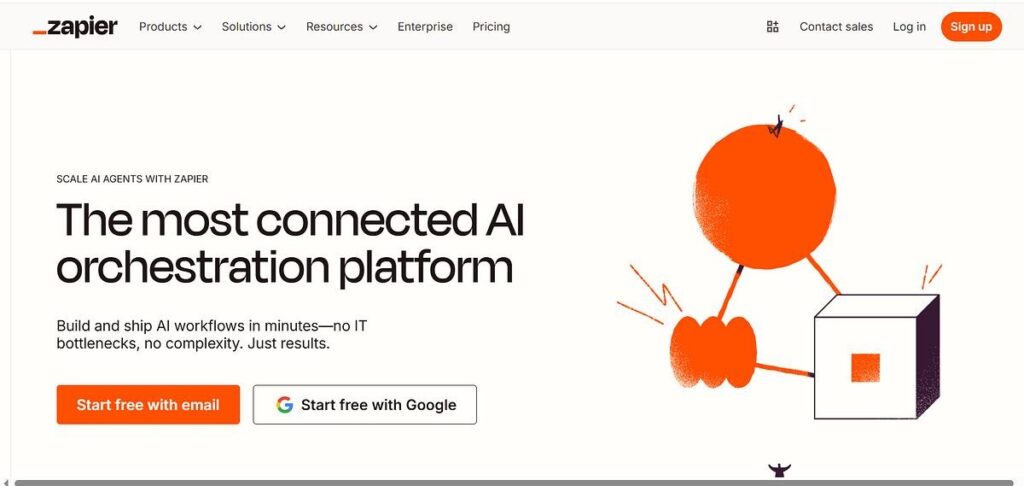
- Zapier
- Make.com
- AI agents
- workflow orchestration
The New Economic Divide
Experts increasingly warn that AI could create a sharp divide:
- highly AI-leveraged workers
- and displaced workers struggling to adapt
The World Economic Forum estimates that while millions of jobs may disappear, entirely new roles will emerge in:
- AI operations
- AI ethics
- AI auditing
- AI-assisted business systems
- digital strategy
- human-AI collaboration (LinkedIn)
But there’s a catch:
Those jobs require adaptation.
Fast adaptation.
The Most Dangerous Mistake Young People Are Making
Many students are still asking:
“Which degree is safest?”
That question may already be outdated.

The better question is:
“What problems can I solve with AI?”
Because the future rewards:
- adaptability
- systems thinking
- execution
- AI leverage
-not memorization.
Entry-Level Jobs Are Already Changing
Recent reports show that:
- entry-level hiring is slowing in several sectors
- AI is automating routine junior tasks
- companies increasingly expect hybrid AI-human skills (MarketWatch)
Yet there’s another side to the story.
Some leaders argue AI will transform-not eliminate-many jobs.
Salesforce CEO Marc Benioff recently announced plans to hire 1,000 graduates to work with AI systems rather than compete against them. (The Economic Times)
That may be the clearest signal yet:
the future worker is not anti-AI.
The future worker is AI-augmented.
A Realistic Survival Blueprint for the Next 3 Years
📅 YEAR 1: Learn AI
- AI tools
- Prompting
- Automation basics
📅 YEAR 2: Build Valuable Skills
- Content
- Marketing
- Analytics
- Design
- AI workflows
📅 YEAR 3: Build Independent Leverage
- Personal brand
- Freelancing
- Business systems
- AI-powered income streams
Final Insight: The Future Belongs to Fast Learners
Every technological revolution creates fear.
But it also creates opportunity.
The internet created YouTubers, creators, digital marketers, remote founders, and online educators – jobs that barely existed two decades ago.
AI may create entirely new categories of work we still cannot fully imagine.
But one thing is already clear:
The safest people in the AI era will not be those who resist change.
They will be the ones who learn faster than the world changes around them.
Final Thought
The AI era is not asking:
“Are you intelligent?”
It is asking:
“Can you adapt?”
And in the next three years, that may become the most important survival skill on Earth.