Washington, DC – 15 May 2026
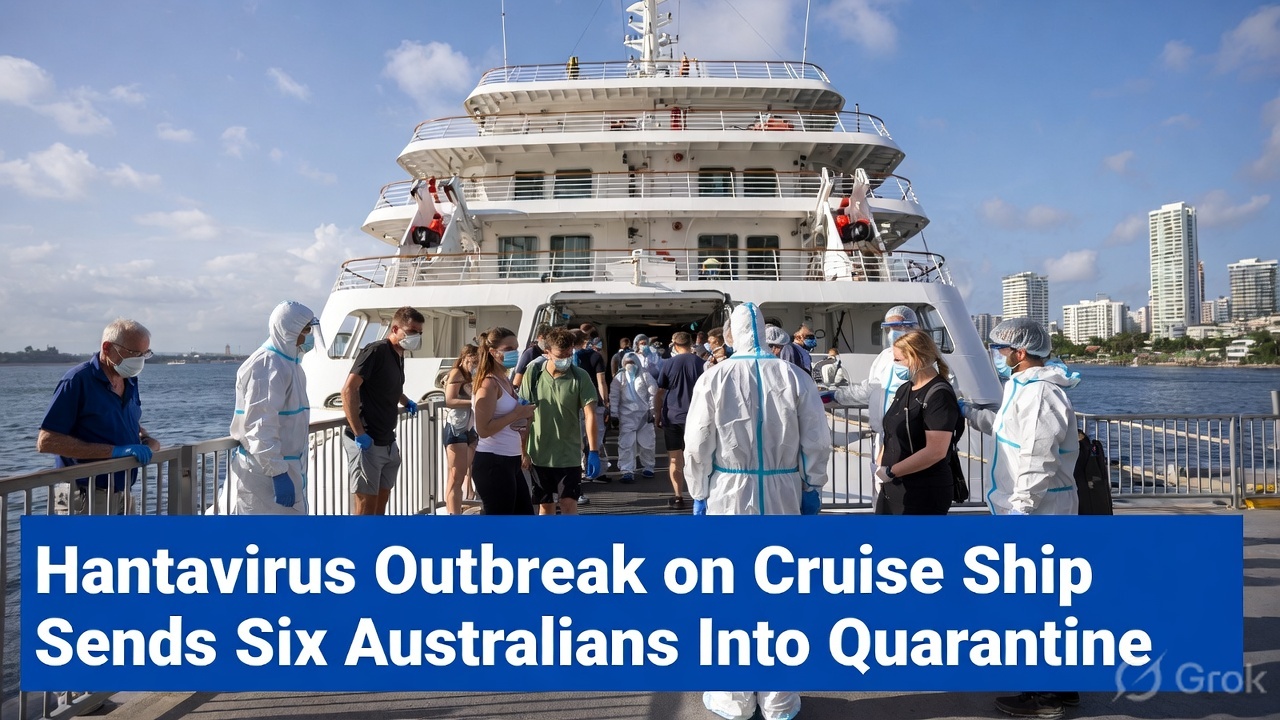
Six Australian passengers evacuated from the cruise vessel MV Hondius after a confirmed hantavirus outbreak arrived in Perth this week under strict quarantine measures, prompting an international response from the World Health Organization and raising fresh concerns about biosecurity standards in the global cruise industry.
The passengers will remain in mandatory isolation for three weeks while health officials monitor possible exposure and assess transmission risks.
Although hantavirus outbreaks are rare, the virus can cause severe illness and carries a high fatality rate in some cases. It is primarily spread through exposure to infected rodents or contact with their urine, droppings, or saliva. In serious infections, patients can develop Hantavirus Pulmonary Syndrome, a life-threatening respiratory condition.
The appearance of the virus aboard a passenger vessel has alarmed public health authorities and triggered questions about safety protocols on expedition cruises operating in remote environments far from advanced medical facilities.
Cruise Industry Under Renewed Scrutiny
The MV Hondius is an expedition-style cruise ship designed for polar and remote-water travel, a segment of the tourism industry that has grown rapidly since the global travel recovery following the Covid pandemic.
Operators have increasingly marketed these voyages as exclusive adventure experiences away from crowded destinations. But health experts say such itineraries can also increase exposure to wilderness ecosystems where rodent populations carrying hantavirus are more common.
Remote routes can also complicate emergency medical responses, reducing the time available for effective treatment if serious infections occur.
The World Health Organization’s involvement signals the outbreak is being treated as a significant international public health concern, even though hantavirus does not spread between humans in the same way as respiratory viruses such as Covid-19.
Climate Change and Growing Disease Risks
Health officials and environmental researchers have also pointed to broader concerns linked to climate change.
Warmer temperatures and shifting weather patterns are altering the habitats and migration patterns of rodent populations known to carry hantavirus strains. Milder winters in colder regions have extended breeding and survival seasons for some species, increasing the likelihood of human exposure in areas previously considered low risk.
Scientists warn that these environmental changes may gradually expand the number of regions where zoonotic disease outbreaks become more likely, including remote coastal and maritime areas increasingly used by expedition cruise operators.
For now, health authorities are focused on containing the outbreak and monitoring passengers and crew members connected to the voyage. But the incident has intensified debate over whether the travel industry and global health agencies are prepared for the changing risks posed by emerging infectious diseases in a warming world.