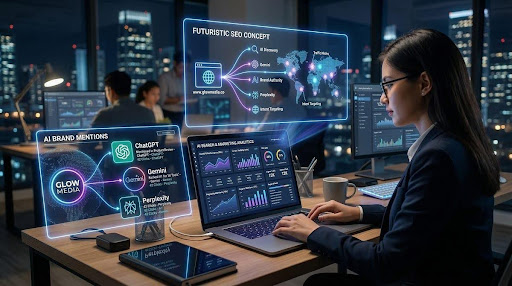
At 9:12 AM on a Tuesday, an SEO manager at a fast-growing SaaS startup noticed something terrifying.
Their highest-converting page, responsible for thousands of monthly visitors, had suddenly dropped from position #4 to #14 on Google.
Normally, diagnosing the issue would mean:
- opening Google Search Console
- cross-checking GA4
- digging through ranking tools
- comparing historical data
- manually investigating content overlaps
Hours gone.
Traffic bleeding.
Revenue slipping.
But this time, the process looked different.
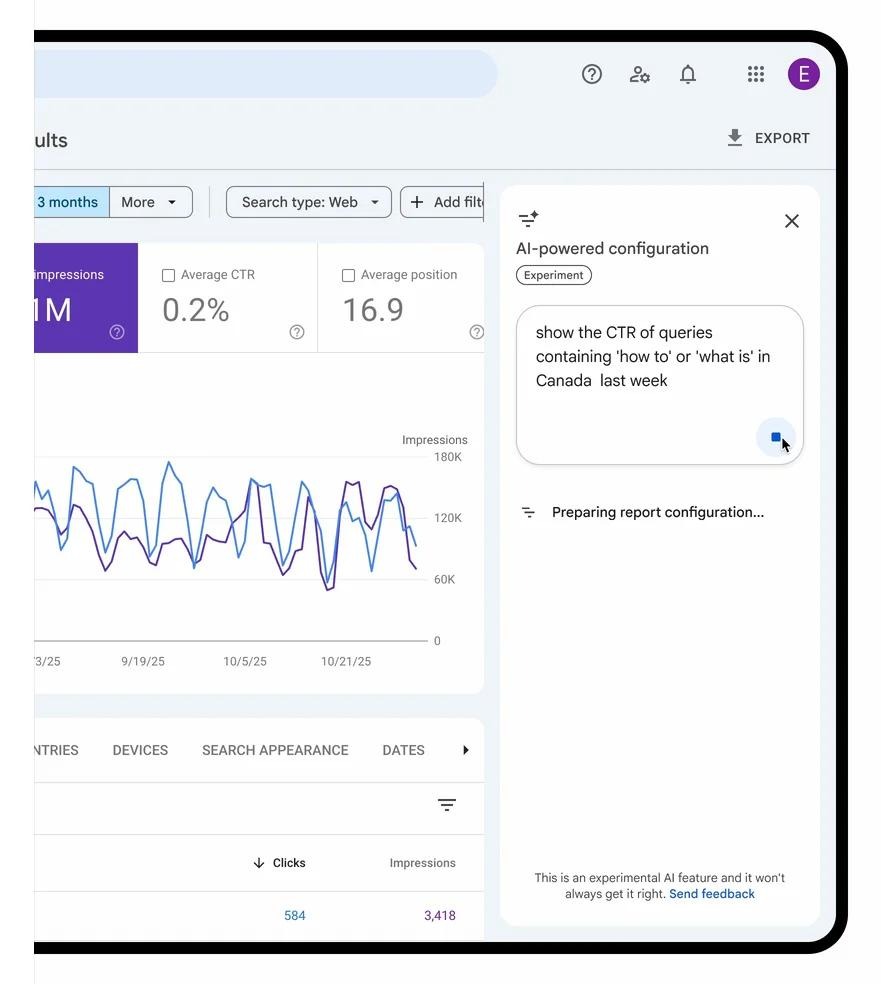
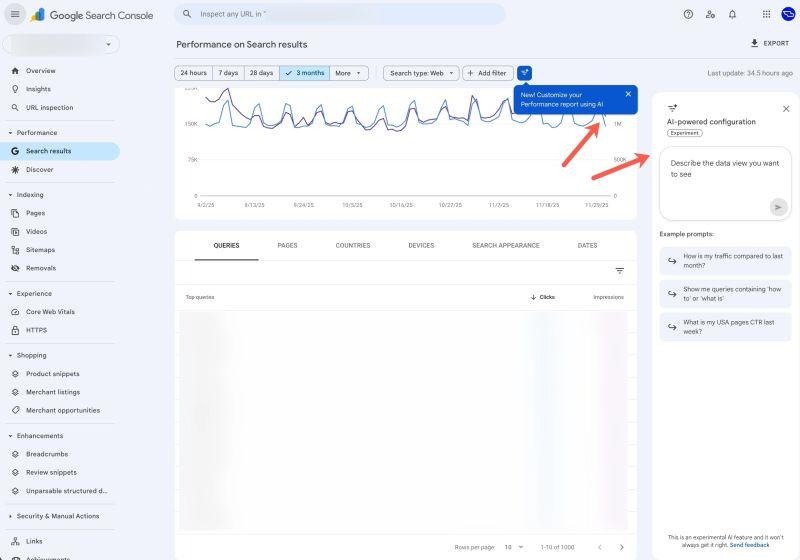
Instead of opening five dashboards, the marketer typed a single instruction into Claude AI.
Within seconds, the system surfaced:
✔ the ranking anomaly
✔ the affected keywords
✔ possible cannibalization
✔ declining CTR patterns
✔ competing internal pages
✔ suggested fixes
No spreadsheet marathon.
No SEO detective work.
Just answers.
Quietly, a new era of SEO has begun.
AI Is Transforming SEO Faster Than Most Marketers Realize
For years, SEO professionals relied on:
- dashboards
- exports
- endless tabs
- manual analysis
- fragmented workflows
But the rise of AI copilots like Claude is changing the economics of SEO work itself.
The shift is profound:
SEO is moving from “tool management” to “AI-guided decision systems.”
Instead of spending hours collecting data,
marketers are increasingly spending time:
- validating insights
- prioritizing actions
- building strategy
That changes the role of SEO completely.
Why This Matters Right Now
Search itself is changing rapidly.
Google’s AI Overviews are reshaping click behavior.
AI-generated content is flooding the web.
Competition for rankings is becoming brutal.
According to recent industry surveys, marketers are rapidly increasing AI adoption across content, analytics, and workflow automation. AI-driven SEO tools are becoming mainstream across agencies and enterprise teams.
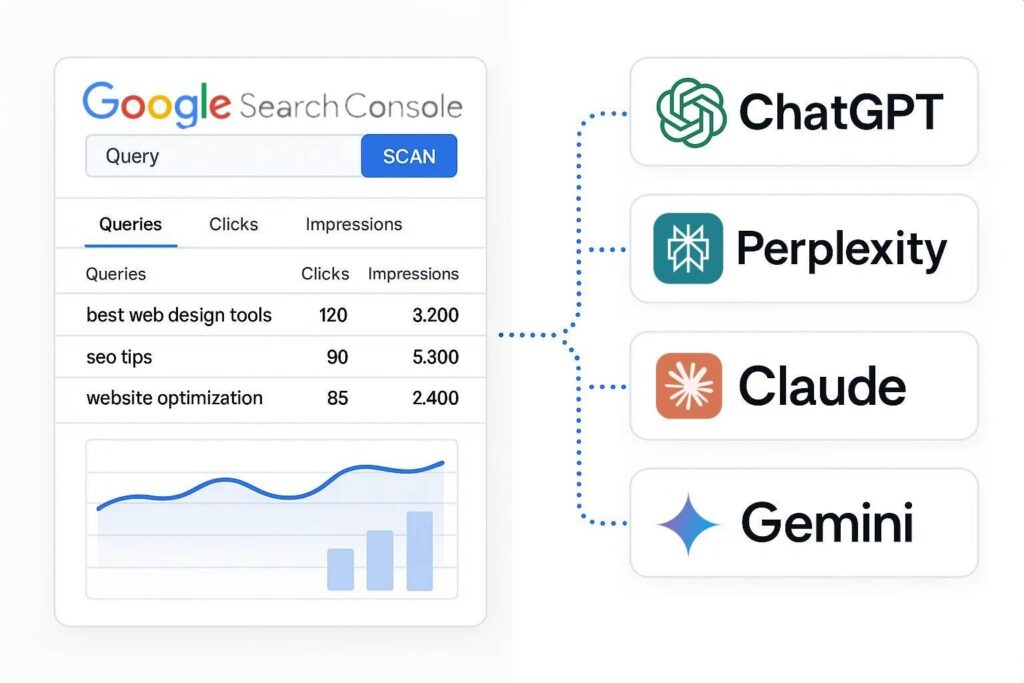
And now, systems like Claude are plugging directly into SEO workflows.
Not as “chatbots.”
But as operational intelligence layers.
What Claude Actually Does Inside SEO Workflows
Claude isn’t replacing SEO experts.
It’s replacing:
- repetitive analysis
- dashboard switching
- manual reporting
- early-stage diagnostics
And the speed difference is dramatic.
Here are six of the most powerful use cases already reshaping modern SEO operations.
1. Traffic Drop Diagnostics in Seconds
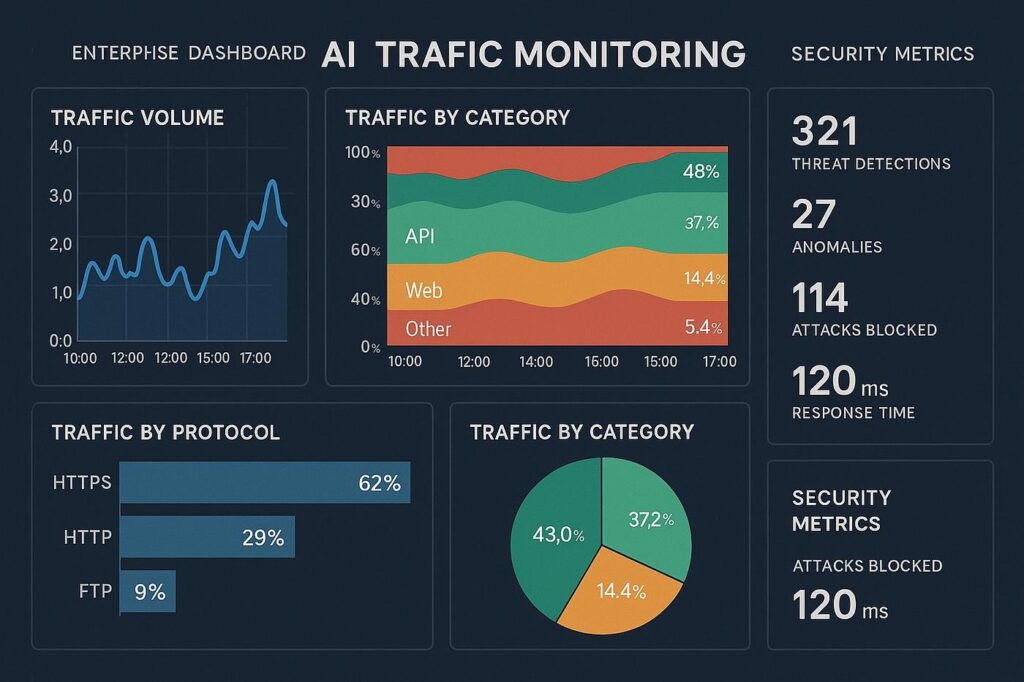
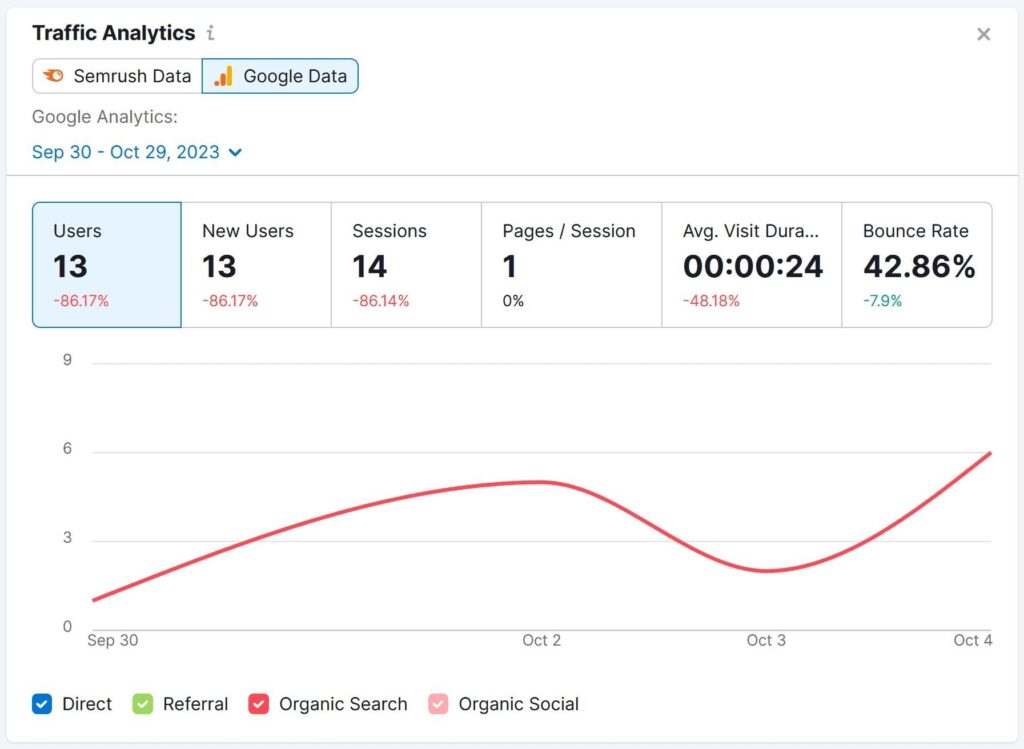
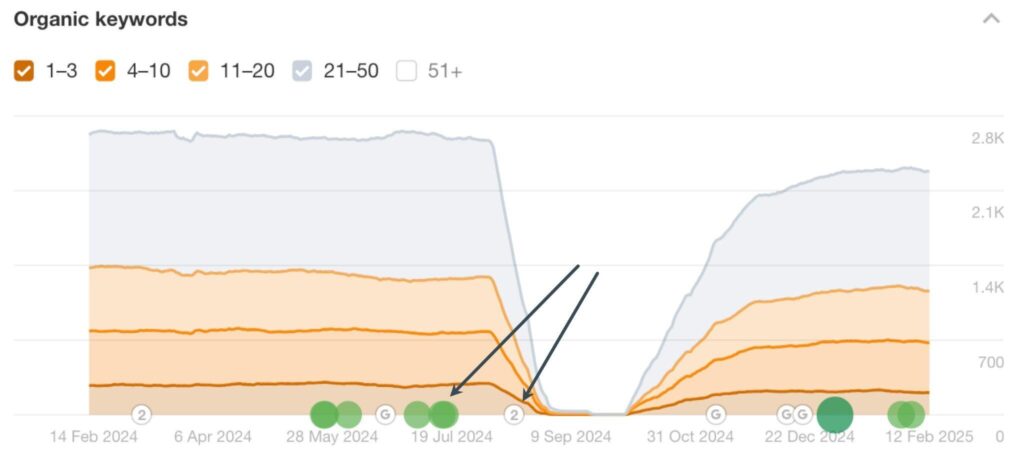
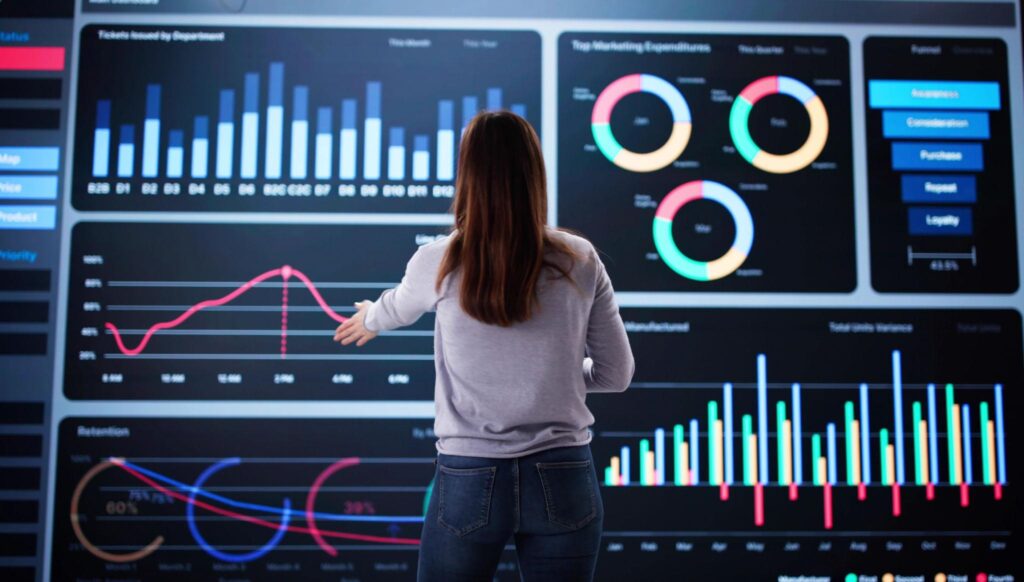
One of the most stressful moments in SEO is discovering that organic traffic has suddenly collapsed overnight.
Traditionally, diagnosing the issue could take hours.
Claude compresses that process dramatically.
Instead of manually cross-referencing:
- Google Search Console
- GA4
- ranking trackers
- crawl reports
…the AI identifies likely causes almost instantly:
- indexing problems
- ranking losses
- algorithmic shifts
- CTR declines
- technical anomalies
👉 What once took an hour may now take minutes.
For fast-moving businesses, that speed matters enormously.
2. Cannibalization Cleanup: One of SEO’s Biggest Hidden Killers
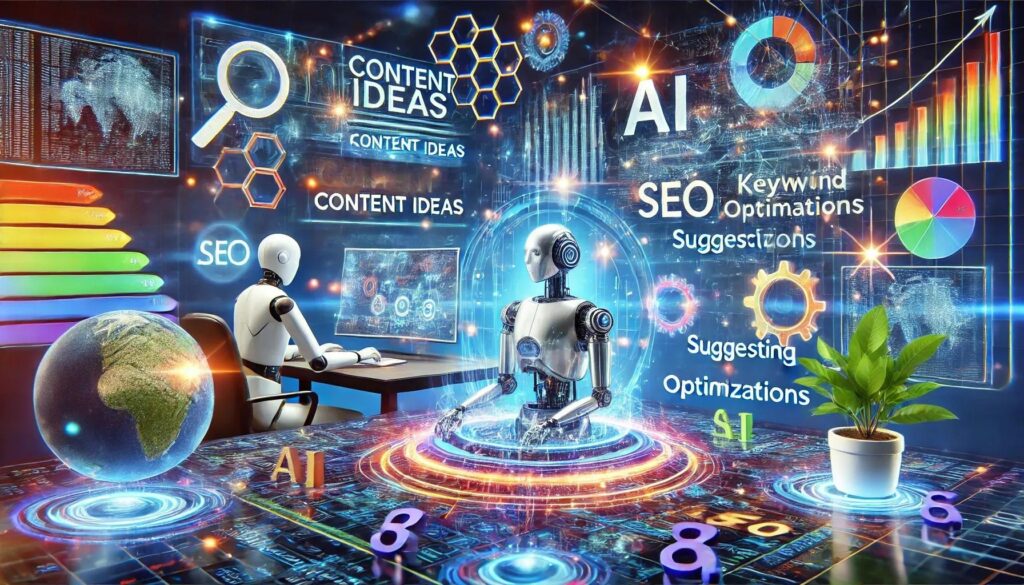
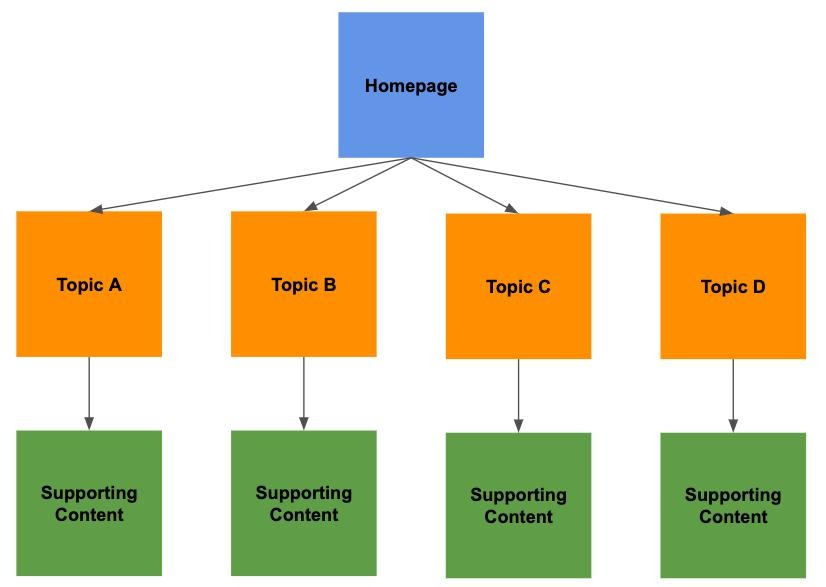
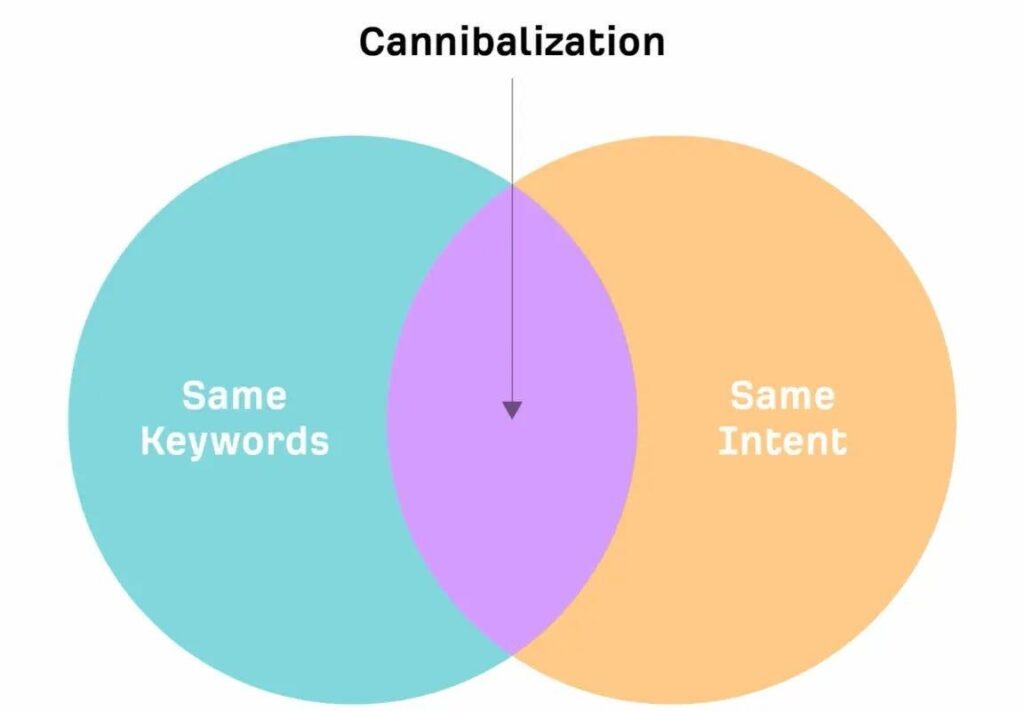
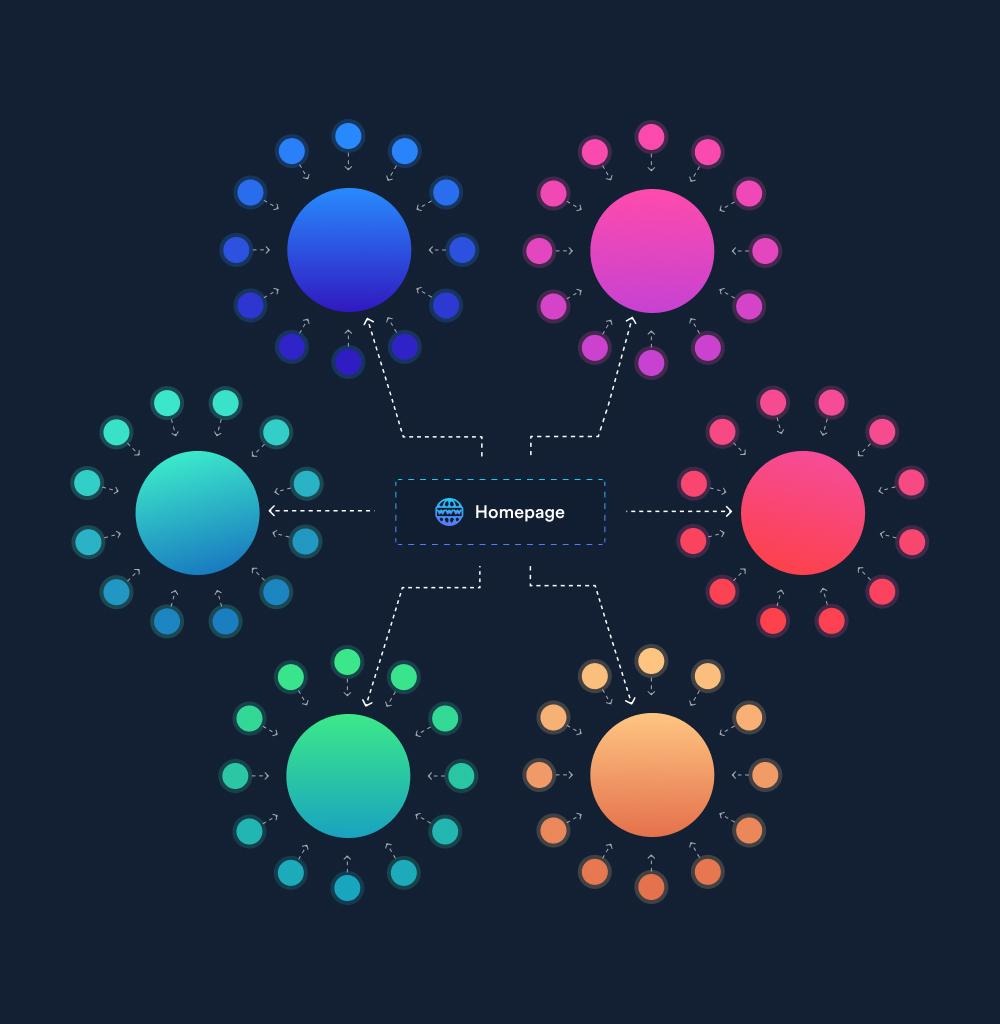
Many websites unknowingly compete against themselves.
This happens when multiple pages target the same keyword or search intent.
The result?
- weaker rankings
- diluted authority
- confused Google signals
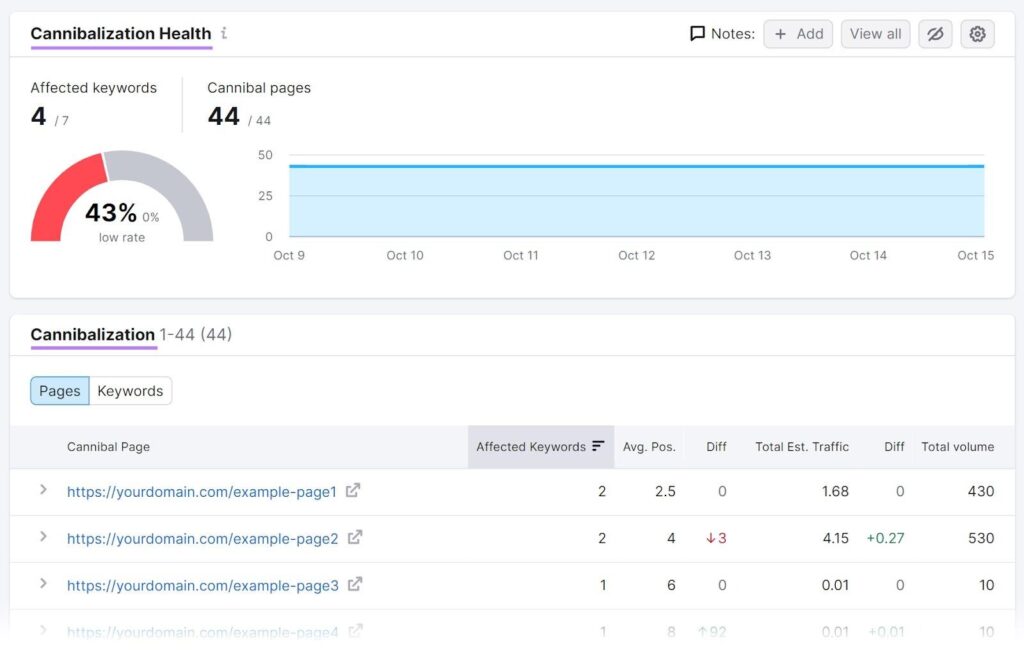
Claude can quickly surface:
✔ competing URLs
✔ overlapping keyword intent
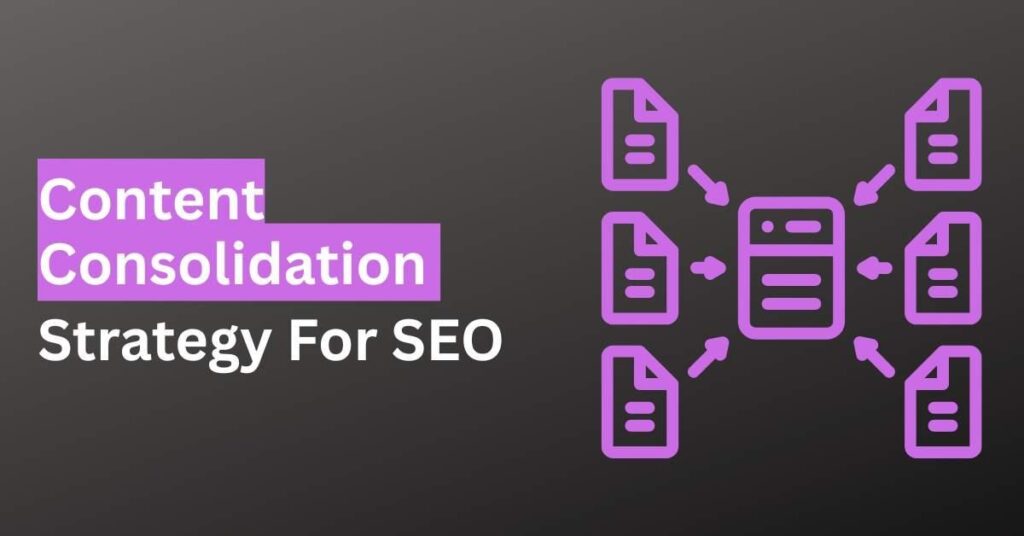
✔ pages to merge
✔ pages to redirect
✔ pages to keep
This transforms one of SEO’s most frustrating cleanup tasks into an actionable workflow.
3. Content Gap Analysis That Actually Feels Intelligent
Most SEO tools generate giant keyword dumps.
Useful? Sometimes.
Overwhelming? Almost always.
Claude changes the process by using real contextual data from your own performance ecosystem.
Instead of:
“Here are 10,000 keywords.”
It can answer:
“What are competitors ranking for that your site is missing?”
That distinction is huge.
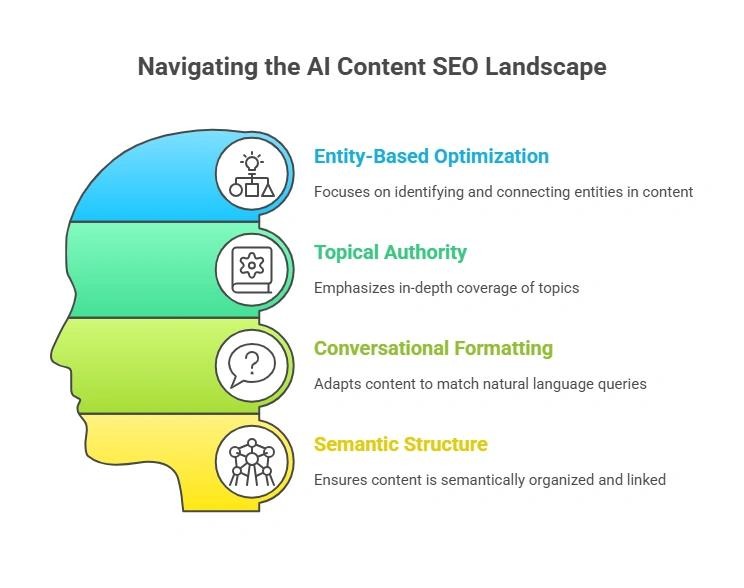
Because modern SEO success is increasingly about:
- topical authority
- strategic coverage
- content ecosystems
-not random keyword stuffing.
4. Decaying Content Alerts Before Rankings Collapse
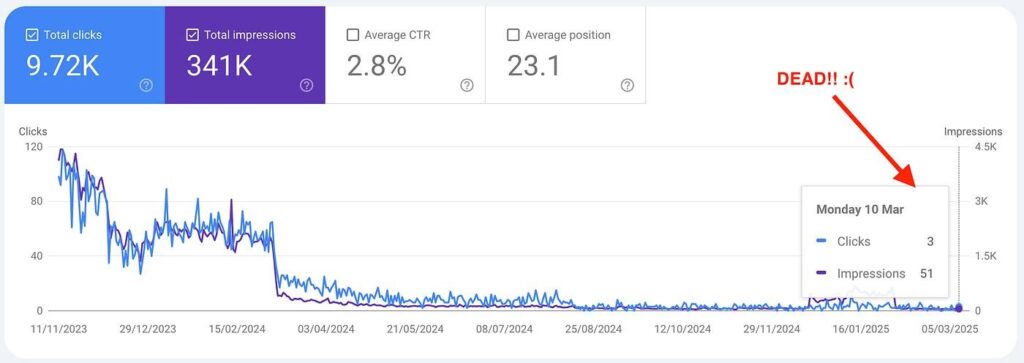
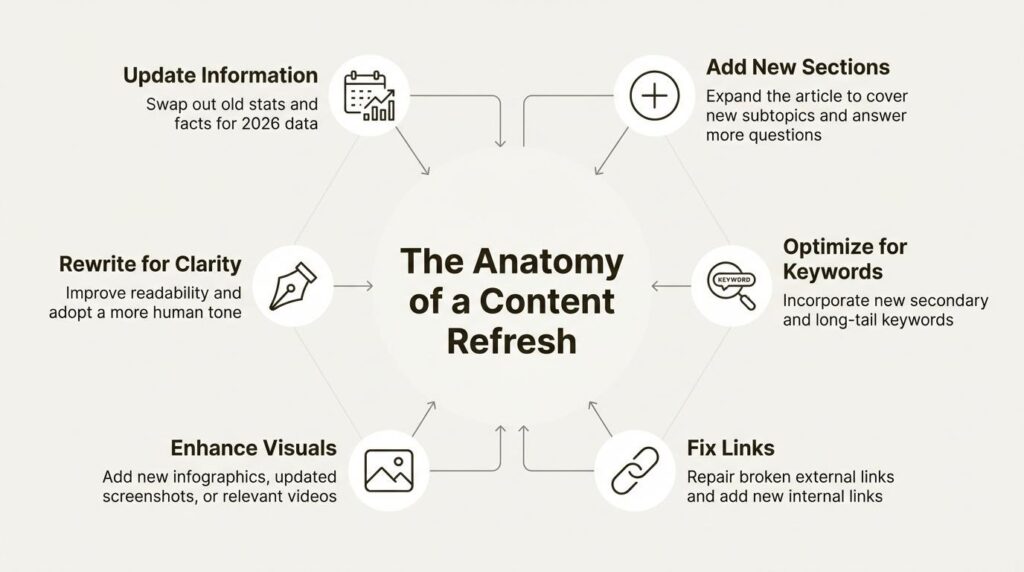
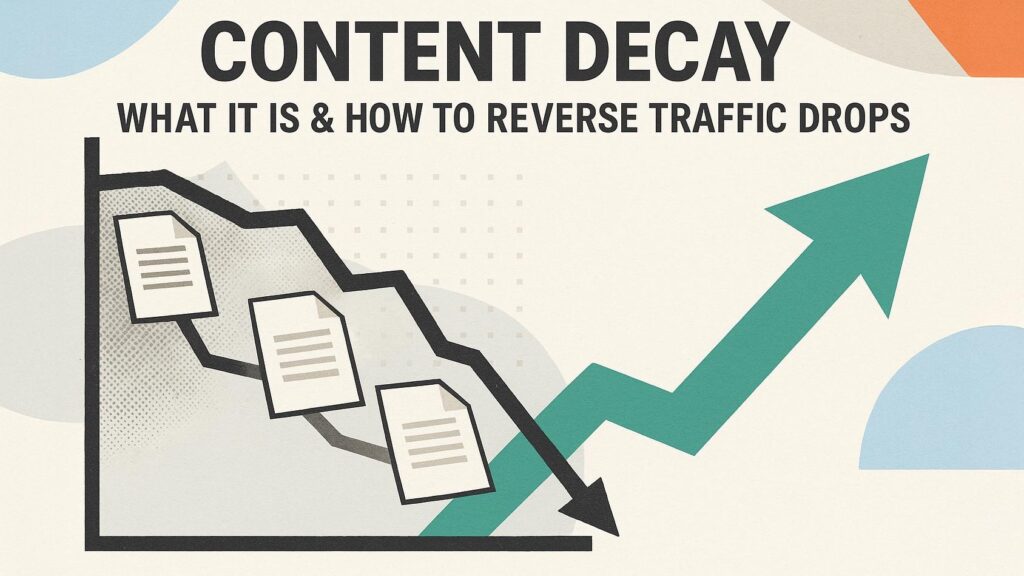
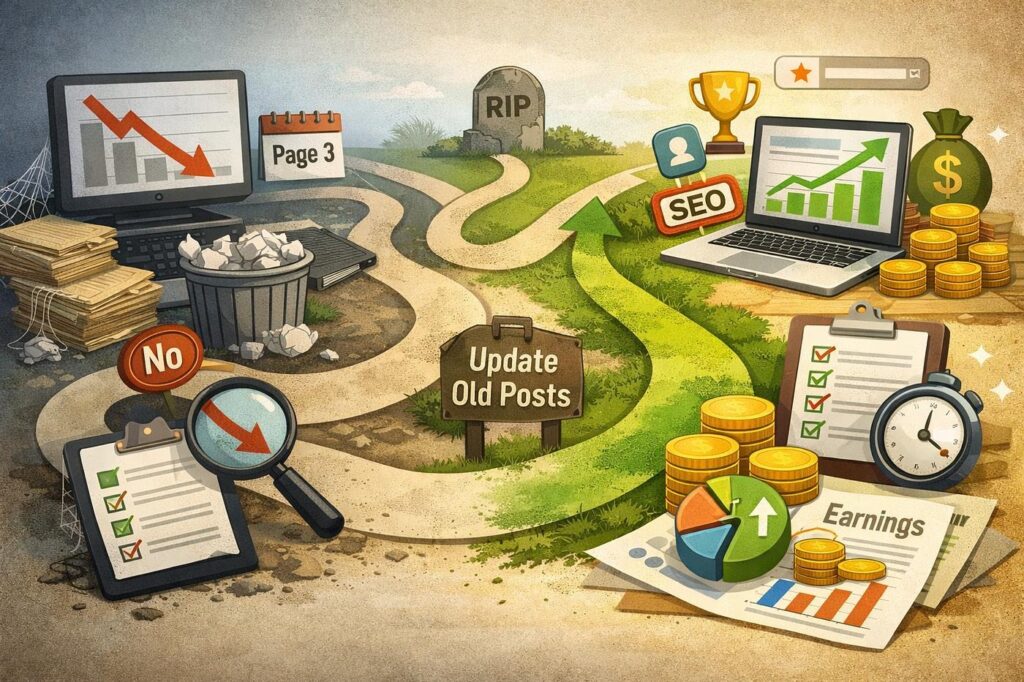
One of the biggest silent killers in SEO is content decay.
A page slowly loses:
- impressions
- CTR
- rankings
- backlinks impact
But by the time humans notice, the traffic damage is already severe.
Claude can detect:
✔ early ranking erosion
✔ falling click-through rates
✔ declining impressions
✔ pages needing refreshes
This enables proactive optimization instead of reactive panic.
5. AI-Written SEO Narratives Nobody Wants to Write
Let’s be honest.
Most marketers hate writing monthly SEO reports.
The hardest part isn’t gathering data.
It’s explaining:
- what happened
- why it happened
- what matters
Claude can turn raw metrics into:
- executive summaries
- client narratives
- performance insights
- trend explanations
In seconds.
For agencies managing dozens of accounts, this alone can save massive time.
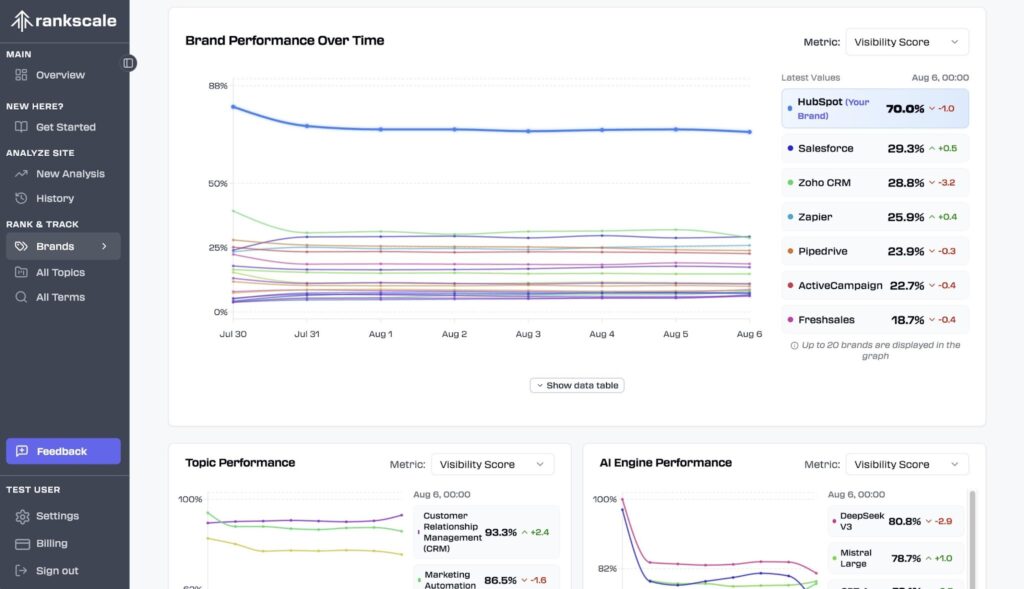
6. Ranking Anomaly Detection in Real Time
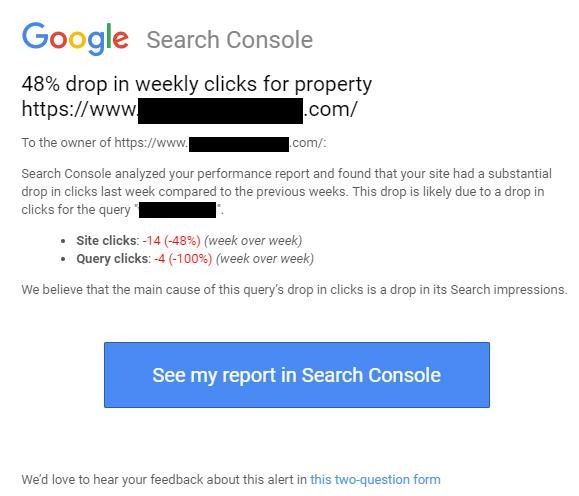
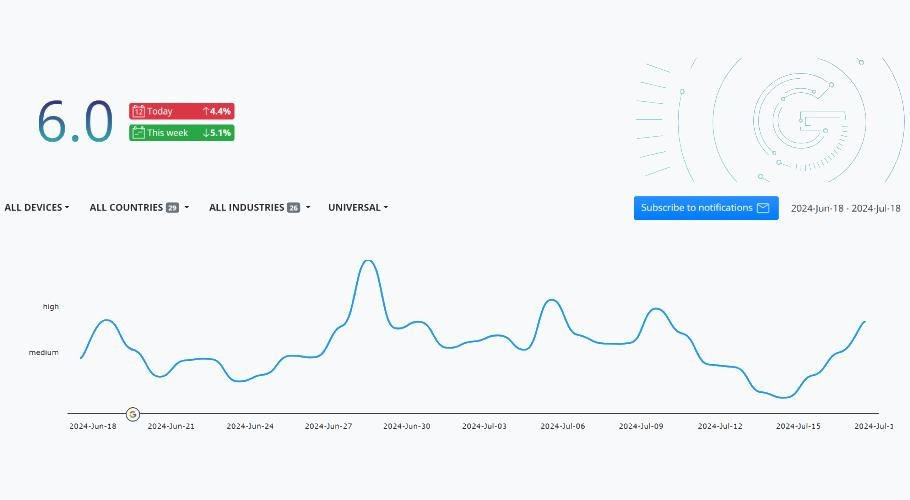
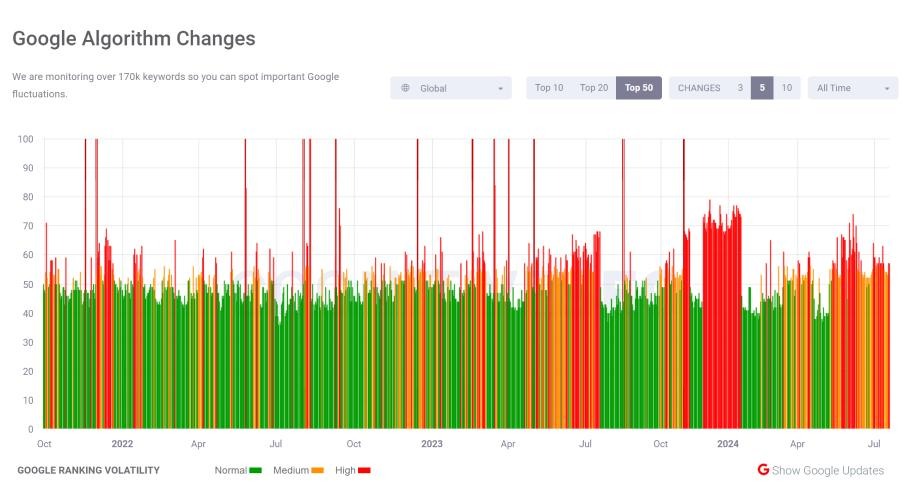
Imagine discovering a major ranking drop:
- not three months later
- not at the end of the quarter
- but within hours
That’s where AI-powered anomaly detection becomes extremely powerful.
Claude can identify:
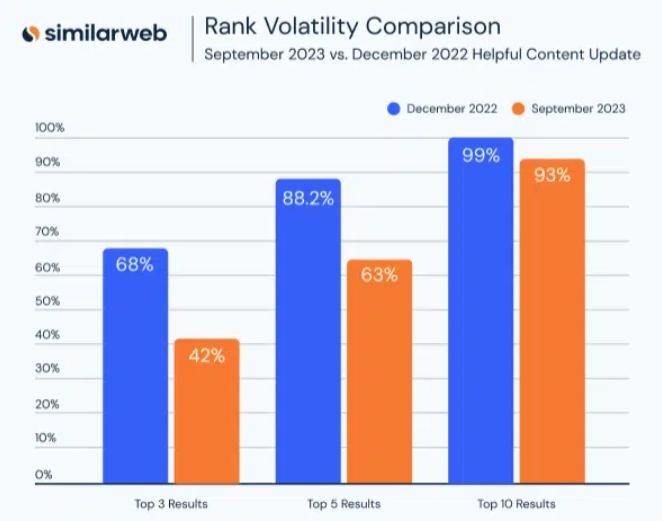
- sudden SERP volatility
- abnormal ranking drops
- unusual CTR patterns
- traffic irregularities
…before they become catastrophic.
This is less about reporting.
And more about operational defense.
Why SEO Teams Are Quietly Restructuring Around AI
The implications are bigger than productivity.
AI is changing the structure of SEO teams themselves.
Old workflow:
- analysts gather data
- managers interpret
- writers execute
- strategists plan
New workflow:
- AI gathers + analyzes
- humans validate + strategize
- teams execute faster
This compresses operations dramatically.
A smaller, AI-assisted SEO team may soon outperform much larger traditional teams.
The Bigger Shift: SEO Is Becoming “Search Intelligence”
This may be the most important trend of all.
SEO is no longer just:
- keywords
- backlinks
- technical audits
It’s becoming:
“search intelligence management”
Where AI systems continuously monitor:
- intent shifts
- SERP volatility
- content decay
- competitive movements
- traffic anomalies
And humans focus on:
- judgment
- creativity
- strategy
- business alignment
But There’s a Catch
AI still has limitations.
Claude can:
✔ analyze patterns
✔ summarize data
✔ accelerate workflows
But humans still need to:
- verify insights
- prioritize decisions
- understand brand nuance
- align with business goals
The winners won’t be people who blindly trust AI.
They’ll be people who know:
How to direct AI intelligently.
What Smart Marketers Should Learn Next
The SEO professionals thriving in the next 3 years may not be the best spreadsheet operators.
They may be the best:
- AI orchestrators
- workflow designers
- strategic thinkers
- prompt engineers
That’s a very different skillset.
Final Insight: The SEO Industry Is Being Rewritten in Real Time
Most revolutions don’t look dramatic at first.
They look like:
- one less dashboard
- one faster diagnosis
- one automated insight
- one fewer repetitive task
Until suddenly:
the entire workflow changes.
That’s what’s happening to SEO right now.
The future marketer may spend less time:
searching for answers
…and more time:
deciding what to do with them.
Final Thought
The question is no longer:
“Can AI do SEO?”
The real question is:
“Can SEO teams survive without AI?”